What Is CBD? A Plain-Language Guide
By Provitura Editorial Team
Updated
- CBD
- Cannabidiol
- Basics
CBD in plain language
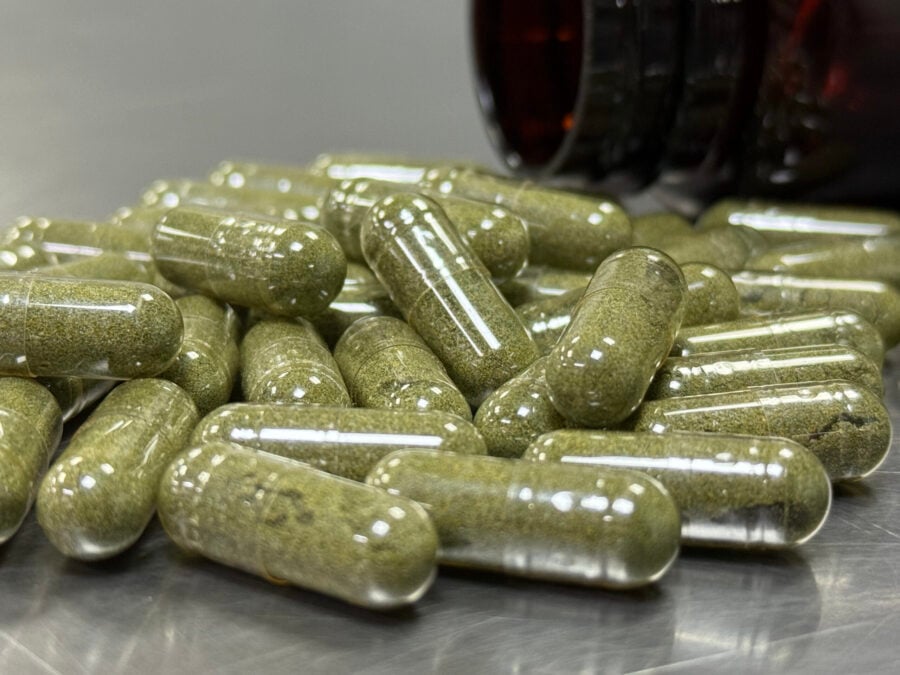
CBD stands for cannabidiol, one of many compounds associated with the cannabis plant. In consumer products it is usually discussed as an ingredient in oils, capsules, cosmetics or other formats. The important point for readers is that CBD terminology does not remove the need for safety, label and claim checks.
CBD is not the same as THC
CBD and THC are different cannabinoids, and consumers often compare them because of intoxication concerns. For Provitura, use the exact product statement: All of our products sold at Provitura do not contain detectable amounts of THC. That statement should remain product-specific and should not become a legal or driving guarantee.
Why regulation appears in a beginner guide
CBD sits in a regulated area because product category, safety assessment and claims matter. EFSA's 2026 statement sets a provisional adult intake level for specified high-purity CBD novel-food formulations, while also highlighting persistent data gaps and groups where safety cannot be established. A beginner guide should explain that this is not a product dose recommendation and not proof that every CBD product is safe.
How to choose information sources
Prefer official agencies, primary regulations and transparent product labels over affiliate summaries. If a source promises fast relief, uses disease claims or skips safety warnings, look elsewhere. A good CBD introduction should leave readers better informed, not simply more ready to buy.
Beginner questions worth answering
Beginner CBD guidance needs simple answers without oversimplifying the regulatory picture. Readers need to know that CBD is a cannabinoid found in cannabis and hemp plants, that it is different from THC, and that product category, purity, serving size and documentation all matter. They also need to know that interest in CBD does not equal confirmed safety for every group.
The best beginner guidance is cautious and practical. Check who the product is intended for, read the label, look for current safety information, and be careful with medicines or health conditions. If the page introduces Provitura, it should do so as product context rather than as proof of a health outcome. That foundation makes later product and condition articles easier to read critically.