CBD and Driving: Why Product Labels and Local Rules Matter
By Provitura Editorial Team
Updated
- CBD
- Driving
- Safety
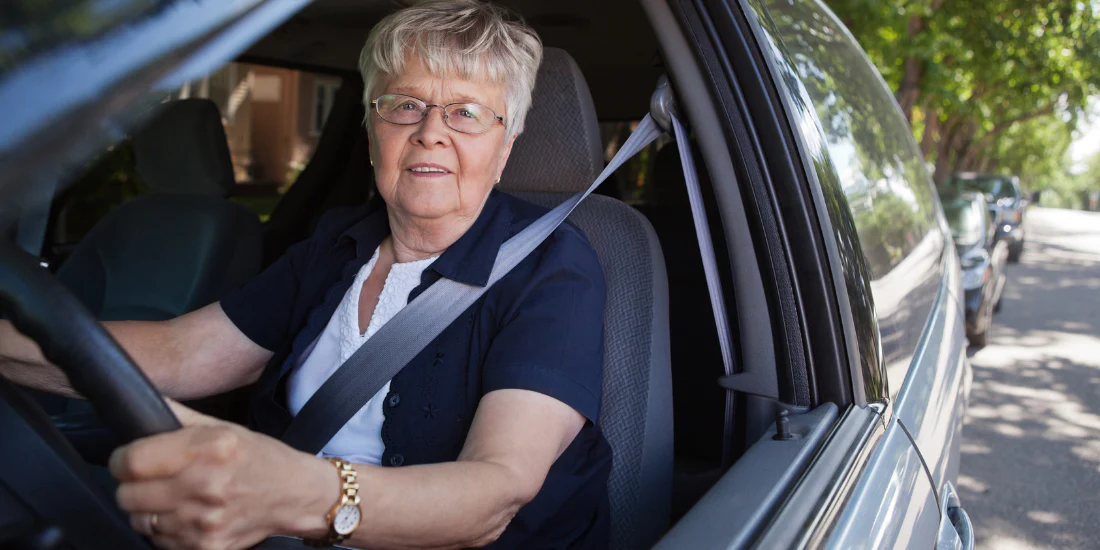
Driving depends on impairment, not marketing
A CBD label cannot decide whether a person is fit to drive. The relevant questions are alertness, drowsiness, other medicines, alcohol, product quality and local enforcement. CBD content should avoid simple yes-or-no answers because driving rules and roadside practices are not identical across Europe.
Product quality and THC wording
Drivers often worry about cannabinoid exposure. For Provitura, the correct statement is: All of our products sold at Provitura do not contain detectable amounts of THC. That sentence should not be expanded into a guarantee about testing outcomes, travel rules or every country's driving law.
Medication and fatigue checks
CBD may be relevant if a person is taking sedating medication, sleep aids, muscle relaxants or alcohol. If a supplement makes someone feel sleepy, light-headed or slower to react, they should not drive. EFSA's 2026 statement does not establish CBD safety for people taking medication, so driving copy should avoid reassurance when medicines or drowsiness are involved. A doctor or pharmacist can also help assess whether timing or interactions could affect alertness.
Practical approach before travel
Before taking CBD across borders or driving in another market, check current local guidance from official sources. Keep product documentation available, avoid mixing new supplements with alcohol or medication, and do not treat a low-risk label as permission to drive when alertness is reduced.
A cautious driving decision
Driving is a practical safety decision, not just a label question. A person should consider whether they feel drowsy, slowed, distracted or otherwise less alert after using any supplement or medicine. That matters even when a product is not positioned as intoxicating. If CBD is being used alongside sleep aids, pain medicine, antihistamines, alcohol or other sedating products, the driving question belongs with a qualified professional and local transport guidance.
Cross-border travel adds another layer. A product bought in one country may still be questioned differently elsewhere, and roadside rules focus on public safety rather than marketing descriptions. Avoid universal assurances and separate three issues before getting behind the wheel: personal alertness, product documentation and the local rulebook for the country where the driving happens.