Benefits

Disclaimer: 

The content on this page is for informational purposes only and should not be perceived as medical advice. CBD products are not medicine, and effects may vary from person to person. Always consult your doctor, especially if you have a medical condition or are taking medication, before using CBD. We make no medical promises; any benefits mentioned are based on research and preliminary studies, not definitive conclusions.

Ingredients’ potential benefits

Beyond CBD, Provitura features carefully selected ingredients with proven benefits. Click any ingredient to learn more – or visit our ingredients page for the full story.

What can CBD do for you?

A research-backed guide to CBD’s potential benefits

On this page you get a consolidated guide to what current research suggests CBD can do – and what it cannot. We briefly review what CBD is, how it interacts with the body, why absorption in the body matters, and which areas are being studied in particular: pain, sleep, anxiety, mood, inflammation and more. Under each benefit you will find both a simple explanation and references to specific studies, so you can explore further if you wish.

What is CBD?

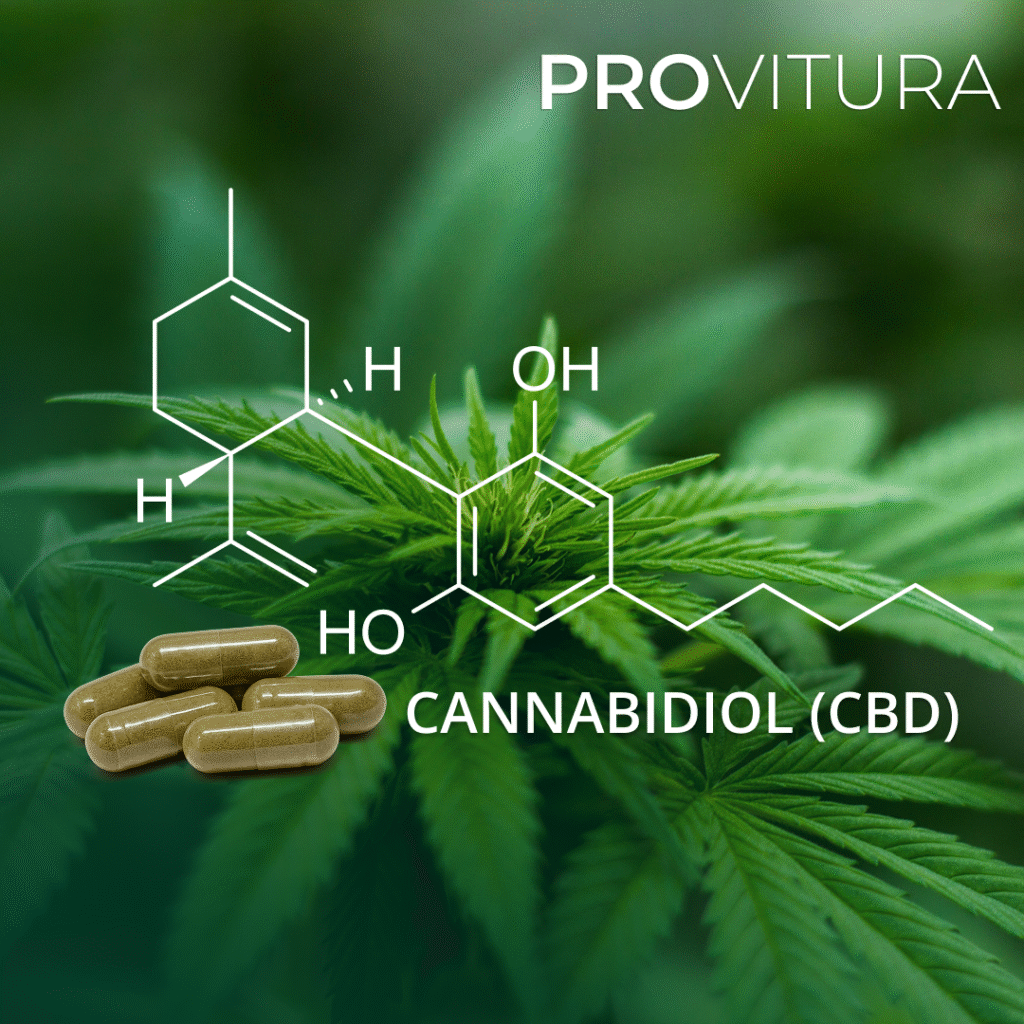
CBD (cannabidiol) is a naturally occurring compound from the hemp plant, Cannabis sativa. It’s one of many cannabinoids but, unlike THC, it doesn’t get you high. So CBD won’t produce the “high” typically associated with cannabis. We use broad‑spectrum CBD from hemp with less than 0.1% THC, so the psychoactive content is negligible and well within EU’s 0.2% legal limit. Researchers are exploring CBD’s potential effects on sleep, pain, stress and mental balance. The science is still evolving, but interest is high and new studies are constantly published.

How does CBD work?

To understand CBD you must first understand our Endocannabinoid System (ECS). Think of the ECS as the body’s very own built‑in balance center. This complex network has the vital task of maintaining homeostasis (balance) in essential functions such as sleep, mood, appetite and pain signals. The ECS operates primarily via two types of receptors – CB1 and CB2 – which receive signals from the body’s own substances (endocannabinoids) or from external sources like CBD:

  • CB1 receptors are primarily concentrated in the brain and central nervous system. They are closely involved in regulating our neurological functions, including memory, motor control and our perception of pain [1].

  • CB2 receptors are found mainly outside the brain in the immune system and peripheral tissues. Their role is closely linked to the body’s defenses, where they help regulate inflammation and support the immune response [2].

CBD with noticeable value - why bioavailability matters

When you take CBD as an oil, the body can only utilize a limited portion of the stated amount because CBD is fat‑soluble and must go through digestion, where a large part is broken down in the liver. Studies on humans show that traditional oil‑based formulations only utilize part of the ingested dose, whereas special water‑soluble micro‑emulsifying formulations provide significantly higher levels of CBD in the blood. [3,4,5,6].

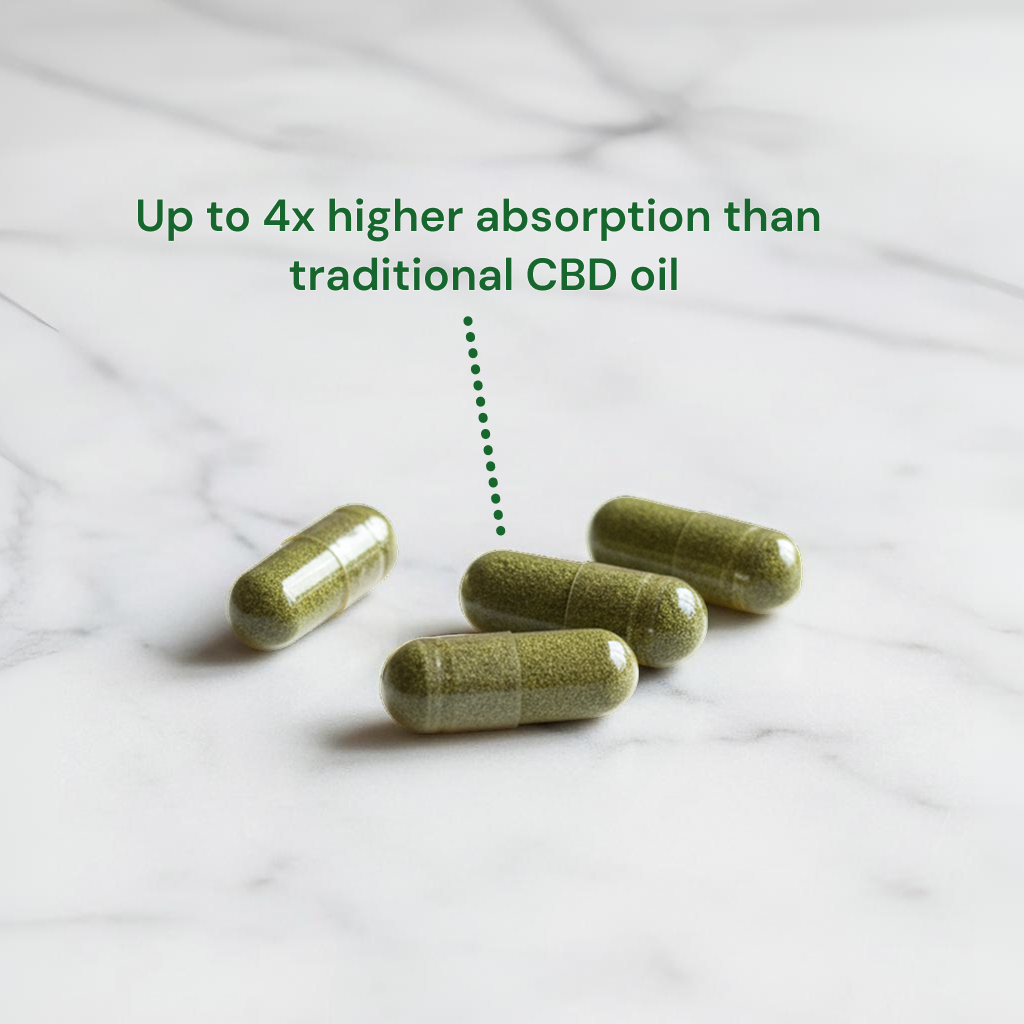
At Provitura we use a micro‑emulsified, water‑soluble CBD formulation designed to form very small droplets in the stomach. This increases contact with the intestinal surface and makes it easier for the body to absorb CBD. In clinical studies, similar water‑soluble formulations have shown up to about four times higher bioavailability than traditional CBD oil at the same mg dose [3,4].

For you this means that a lower mg dose in capsule form can potentially provide an equivalent or higher amount of CBD in the blood than a higher dose in classic oil – and that the effect can be felt faster because the peak level in the blood is reached earlier [3,4,5].

Potential benefits of CBD

Although research is still developing, many studies indicate that CBD can have a range of potential effects on both physical and mental well-being. Here you will find an overview of some of the most studied areas of application and their research background.

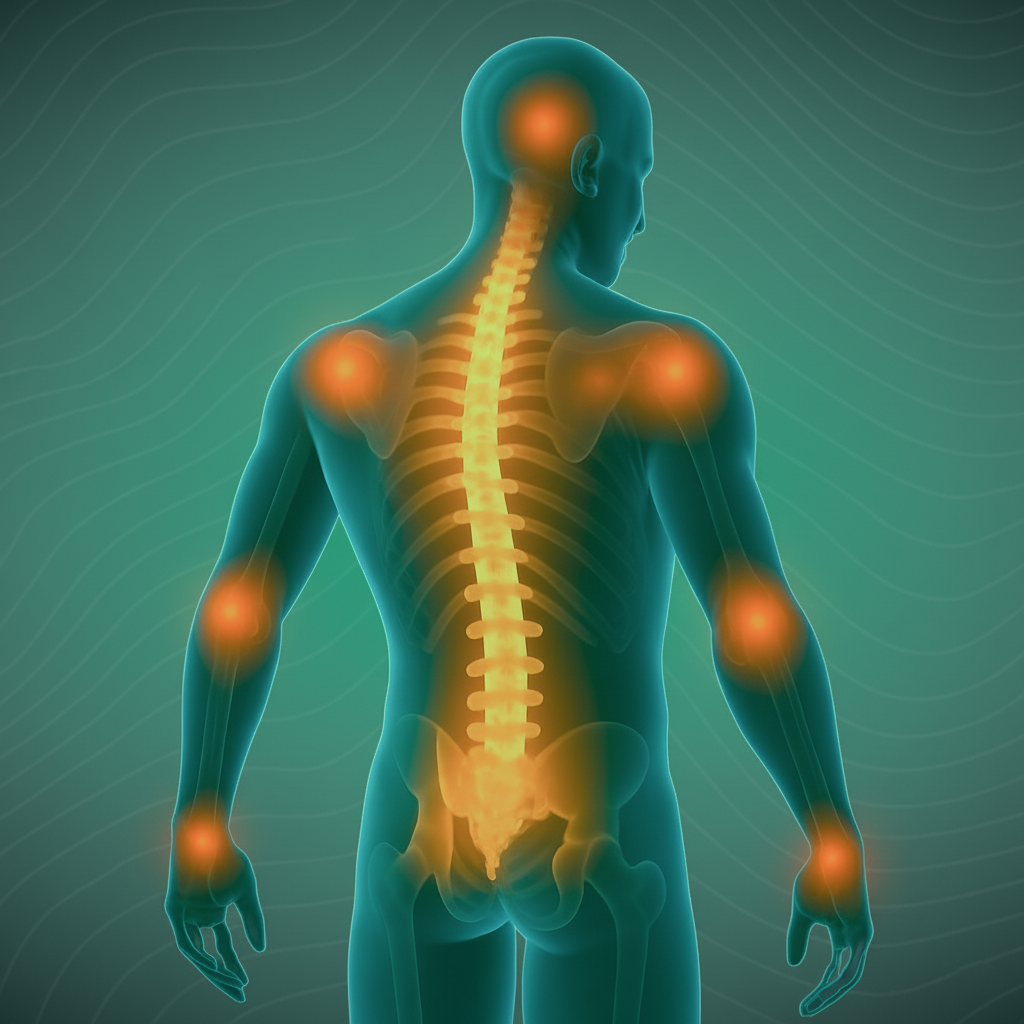
 One of the most common reasons people choose CBD is the desire for natural support for the body’s handling of pain. Research indicates that CBD may contribute to relief from various types of discomfort, including chronic pain, muscle pain and joint pain.

How does it work?

CBD interacts with CB2 receptors in the immune system and can thereby influence the body’s inflammatory processes, which often play a role in pain perception. In addition, research suggests that CBD may modulate pain signals via serotonin receptors (5‑HT1A) and TRPVI receptors that are involved in the body’s perception of pain [7,12].

What is the research saying?

A cross-sectional study published in Journal of Cannabis Research in 2022 examined 428 participants with arthritis who used CBD. The results showed that 83% reported pain relief, 66% experienced improved physical function, and 66% noticed better sleep quality. In addition, 60.5% of participants reduced or stopped the use of other painkillers, including anti-inflammatory drugs and opioids [7].

A systematic review from 2022 found that CBD was significantly effective in reducing chronic pain by between 42% and 66% across the included studies. However, the authors emphasise that more controlled clinical trials are needed [7].

 Many people experience that CBD can contribute to a sense of calm and mental balance in everyday life. Research suggests that CBD may have a calming effect without the side effects that can accompany THC.


How does it work?

In the brain we have a “calmness system” governed by the substance serotonin – the same system that many sedatives work with. CBD appears to support this system naturally, which can help the body find calm without the side effects that can accompany THC [8,9,13].


What is the research saying?

A randomised clinical trial from the University of Colorado Boulder (2024) with 300 adult participants showed that the group using CBD‑dominant products experienced the greatest improvement in anxiety symptoms compared with THC groups. Participants felt less tense immediately after use, and the improvements lasted throughout the 4‑week study period – with no signs of impaired function or paranoia [8].

A comprehensive review published in Neurotherapeutics (2015) concluded that existing preclinical evidence “strongly supports CBD as a treatment for several anxiety disorders”. Human studies have shown that doses of 300–600 mg reduced experimentally induced anxiety, and brain scans confirmed reduced activity in the amygdala – the brain’s fear centre [9].

A large case series with 72 adults (2019) found that 79.2% experienced improved anxiety within the first month, and the improvements persisted over the following three months [11].

 Sleep problems are one of the most common reasons people try CBD. Although research is still in its early stages, some studies suggest that CBD may support relaxation and thus make it easier to fall asleep.


How does it work?

CBD does not appear to be a sleep aid in the traditional sense. Instead, it helps by calming the mind and reducing the thoughts and restlessness that often keep us awake. When the brain is more relaxed, it naturally becomes easier to fall asleep [10,14,15].


What is the research saying?

In a large case series with 72 adults (2019), 66.7% reported improved sleep within the first month of CBD use. Interestingly, improvements in anxiety (79.2%) were even more pronounced, suggesting that CBD’s sleep effect may partly be due to reduction in anxiety [11].

A review in Current Psychiatry Reports (2017) notes that CBD “may have therapeutic potential” for insomnia, and older studies suggest that higher doses of CBD (160 mg) can increase sleep duration [14].

A randomised, placebo-controlled pilot study (2024) with 150 mg CBD found no significant difference in objective sleep measures, but the CBD group reported higher well-being throughout the trial period [10].

Inflammation is the body’s natural reaction to injury or infection, but chronic inflammation can contribute to a range of health problems. Research indicates that CBD has antioxidative and anti-inflammatory properties that can support the body’s balance.


How does it work?

Inflammation is the body’s way of reacting to cells or irritation – but sometimes the system overreacts. CBD seems to help “calm” the immune system so it doesn’t react more than necessary. In addition, CBD acts as an antioxidant that protects cells from wear and tear [12].


What is the research saying?

A comprehensive review published in Antioxidants (2020) documents CBD’s anti-inflammatory mechanisms and concludes that CBD shows “30-50% higher antioxidant activity than α-tocopherol (vitamin E) or vitamin C” in laboratory tests. The review describes how CBD reduces oxidative stress and inflammatory markers in various cell models [12].

The study also highlights that CBD’s combination of antioxidative and anti-inflammatory properties makes it an interesting subject for further research in conditions where inflammation plays a role.

Besides anxiety, CBD is also being investigated for its potential effect on mood and depressive symptoms. Early research suggests that CBD may have a rapidly acting positive effect on mood.


How does it work?

Serotonin is often called the “happy chemical” and plays a major role in our mood. CBD appears to support the brain’s serotonin system – the same system that traditional antidepressants work with. Animal studies show that this effect can occur quickly, but research in humans is still lacking[16,17].


What is the research saying?

An animal study published in Neuropharmacology (2016) found that CBD induced “rapid-acting antidepressant-like effects” within 30 minutes after administration. The effect was comparable to conventional antidepressants, but with a faster onset [16].

A systematic review in Journal of Cannabis Research (2020) concludes that anxiety is the area with the strongest human evidence among CBD’s psychiatric applications, while depression primarily has preclinical support. The authors recommend more human clinical trials [17].

A review in CNS & Neurological Disorders – Drug Targets (2014) confirms CBD’s “antidepressant-like and anxiolytic effects” in animal models and highlights the potential for further exploration [18].

Beyond addressing anxiety itself, CBD is being studied for its broader potential to support emotional balance and mental calm in everyday life.


How does it work?

CBD appears to modulate how the brain processes emotional memories and stress responses. By influencing the amygdala and prefrontal cortex – areas involved in fear and emotion regulation – CBD can help reduce overreactions to stressful stimuli [13].


What is the research saying?

A review in British Journal of Pharmacology (2017) describes how CBD affects “emotional memory processing” relevant to anxiety-related conditions. The study documents that CBD can reduce the re-experiencing of fear memories and promote “extinction learning” – the brain’s ability to unlearn fear reactions [13].

Researchers conclude that acute CBD treatment has anxiolytic (anxiety-reducing) effects in both animal and human studies, primarily via 5‑HT1A receptor activation and indirect cannabinoid receptor activation [13].

Stress affects not only the mind but also the body – including pulse and blood pressure. Early research investigates whether CBD can support a healthy physiological stress response.


How does it work?

When we are stressed, the pulse rises, and blood pressure can go up. Because CBD can help calm the mind, it appears to help the body relax physically. Some studies have shown that CBD can take the edge off the physical stress reaction [9,19].


What is the research saying?

A study mentioned in the Neurotherapeutics review (2015) found that CBD reduced blood pressure and heart rate in subjects exposed to stress-inducing situations. The effect was most pronounced in connection with acute stress [9].

A translational review in Frontiers in Immunology (2018) highlights CBD’s potential for cardiovascular health, primarily via its anti-inflammatory and antioxidative properties, but emphasises the need for more human studies [19].


Note: This area has limited human evidence, and CBD should not replace medical treatment for cardiovascular diseases.

A newer research area examines CBD’s potential to support people who want to reduce addictive behaviour, including cravings for nicotine, alcohol or other substances.


How does it work?

Addiction is partly about the brain having learned to associate certain substances or situations with reward. CBD appears to be able to influence this learning process and make it easier to resist cravings. Think of it as helping the brain “forget” the strong urge [13,19].


What is the research saying?

The review in British Journal of Pharmacology (2017) documents CBD’s relevance for “substance misuse disorders” and describes how CBD can reduce the contextual memory associated with substance use – i.e. the environmental triggers that evoke cravings [13].

A translational review in Frontiers in Immunology (2018) mentions CBD’s “potential therapeutic properties” for addiction, focusing on opioid, cocaine and tobacco addiction. The evidence is primarily preclinical, but human pilot studies show promising results [19].


Note: CBD is not an approved treatment for addiction. Always seek professional help for addiction problems.

CBD potential side effects

What does the research say about safety of CBD use?

CBD is generally considered to be well tolerated and safe. The World Health Organization (WHO) concluded in their critical review from 2018 that:

“CBD is generally well tolerated with a good safety profile. Reported adverse effects may be as a result of drug-drug interactions between CBD and patients’ existing medications.”

WHO also determined that pure CBD does not exhibit signs of abuse potential or dependency. [20]


Possible side effects

Although CBD is generally well tolerated, clinical studies have reported the following possible side effects:

  • Fatigue/drowsiness – the most common side effect, especially at higher doses
  • Dry mouth – CBD can affect saliva production
  • Stomach–intestinal problems – including diarrhea or reduced appetite, primarily at high doses
  • Changes in weight or appetite – can vary from person to person
  • Dizziness – rare but can occur

Most side effects are mild and dose-dependent – they typically diminish when the dose is reduced [20].

Safe use of CBD

For the best CBD experience, we recommend these guidelines:

Start low and slow

Begin with a low dose and gradually increase over time until you find the level that suits you. Bodies react differently, and it often takes time to find the right balance.

Consult your doctor

If you take medicine you should talk to your doctor before starting CBD. CBD can affect how the body breaks down certain medicines.

Don’t take during pregnancy and breastfeeding

There is not enough research to confirm the safety of CBD during pregnancy or breastfeeding. The health authorities discourage use during these periods.

Choose quality products

Only buy CBD from producers that offer third‑party tested products with documented analysis results. At Provitura we test all our products and make the results available. You can see them here.

Listen to your body

Everyone reacts individually to CBD. Pay attention to how your body responds and adjust as needed.

Conclusion

CBD is one of the most studied cannabinoids, and research points to several potential benefits – from support for mental calm and better sleep to relief of discomfort and inflammation. At the same time, it is important to emphasize that science is still developing, and that CBD is not a miracle cure.

What we know with greater certainty is:

  • CBD is generally well tolerated and has a good safety profile according to the WHO
  • Water-soluble formulations like Provitura’s micro-emulsified CBD can be absorbed significantly better than traditional oil
  • Research shows promising results in anxiety, pain and inflammation – but more large clinical studies are necessary

At Provitura we have chosen a formulation based on this new technology, because we believe that better absorption means more value for you. But we do not promise miracles – we offer a quality product built on science and transparency.

If you have questions or are in doubt whether CBD is right for you, we always recommend consulting your doctor.

Disclaimer:

The content on this page is for informational purposes only and does not constitute medical advice.

CBD products are not medicines and are not intended to diagnose, treat, cure or prevent any disease. Individual results may vary. Always consult a health professional before starting a new product – especially if you have a medical condition, are taking medication.

Do not take if you are pregnant or breastfeeding. The mentioned benefits are based on preliminary research and do not constitute definitive conclusions.

Here you can see all sources used on the page

  1. “Cannabinoid 1 Receptor.” ScienceDirect Topics. https://www.sciencedirect.com/topics/pharmacology-toxicology-and-pharmaceutical-science/cannabinoid-1-receptor [25. November 2025]
  2. Cannabinoid 2 Receptor.” ScienceDirect Topics.  https://www.sciencedirect.com/topics/neuroscience/cannabinoid-2-receptor [25. November 2025]
  3. Hobbs J, et al. “Evaluation of pharmacokinetics and acute anti-inflammatory potential of two oral cannabidiol preparations in healthy adults.” Phytotherapy Research. 2020.  https://pubmed.ncbi.nlm.nih.gov/32147925 [25. November 2025]
  4. Izgelov D, et al. “A Novel Self-Emulsifying Drug Delivery System (SEDDS) Based on VESIsorb Formulation Technology Improving the Oral Bioavailability of Cannabidiol in Healthy Subjects.” 2019. https://www.researchgate.net/publication/335236498 [25. November 2025]
  5. Tan SHS, et al. “Pharmacokinetics of a novel water-soluble cannabidiol formulation.” Journal of Cannabis Research. 2025. https://jcannabisresearch.biomedcentral.com/articles/10.1186/s42238-025-00294-8 [25. November 2025]
  6. Krstić M, et al. “Self-Nanoemulsifying Drug Delivery Systems (SNEDDS) and Self-Microemulsifying Drug Delivery Systems (SMEDDS) for the Enhanced Oral Delivery of Cannabidiol.” Pharmaceuticals. 2024. https://www.mdpi.com/1424-8247/17/2/244 [25. November 2025]
  7. Frane N, et al. “Cannabidiol as a treatment for arthritis and joint pain: an exploratory cross-sectional study.” Journal of Cannabis Research. 2022. https://link.springer.com/article/10.1186/s42238-022-00154-9 [25. November 2025]
  8. Bidwell LC, et al. “CBD shown to ease anxiety without the risks that can come with THC.” University of Colorado Boulder. 2024. https://www.colorado.edu/today/2024/02/27/cbd-shown-ease-anxiety-without-risks-can-come-thc [25. November 2025]
  9. Blessing EM, et al. “Cannabidiol as a Potential Treatment for Anxiety Disorders.” Neurotherapeutics. 2015. https://pubmed.ncbi.nlm.nih.gov/26341731/ [25. November 2025]
  10. Suraev AS, et al. “Cannabidiol for moderate-severe insomnia: a randomized controlled pilot trial of 150 mg of nightly dosing.” Journal of Clinical Sleep Medicine. 2024. https://jcsm.aasm.org/doi/10.5664/jcsm.10998 [25. November 2025]
  11. Shannon S, et al. “Cannabidiol in Anxiety and Sleep: A Large Case Series.” The Permanente Journal. 2019. https://pubmed.ncbi.nlm.nih.gov/30624194/ [25. November 2025]
  12. Atalay S, et al. “Antioxidative and Anti-Inflammatory Properties of Cannabidiol.” Antioxidants. 2020. https://pmc.ncbi.nlm.nih.gov/articles/PMC7023045/ [25. November 2025]
  13. Bitencourt RM, Takahashi RN. “Cannabidiol regulation of emotion and emotional memory processing: relevance for treating anxiety-related and substance abuse disorders.” British Journal of Pharmacology. 2017. https://pmc.ncbi.nlm.nih.gov/articles/PMC5595771/ [25. November 2025]
  14. Babson KA, et al. “Cannabis, Cannabinoids, and Sleep: a Review of the Literature.” Current Psychiatry Reports. 2017. https://pubmed.ncbi.nlm.nih.gov/28349316/ [25. November 2025]
  15. Gates PJ, et al. “The effects of cannabinoid administration on sleep: a systematic review of human studies.” Sleep Medicine Reviews. 2014. https://pubmed.ncbi.nlm.nih.gov/24726015/ [25. November 2025]
  16. Linge R, et al. “Cannabidiol induces rapid-acting antidepressant-like effects and enhances cortical 5-HT/glutamate neurotransmission: role of 5-HT1A receptors.” Neuropharmacology. 2016. https://pubmed.ncbi.nlm.nih.gov/26711860/ [25. November 2025]
  17. Bonaccorso S, et al. “The therapeutic role of Cannabidiol in mental health: a systematic review.” Journal of Cannabis Research. 2019. https://link.springer.com/article/10.1186/s42238-019-0012-y [25. November 2025]
  18. De Mello Schier AR, et al. “Antidepressant-like and anxiolytic-like effects of cannabidiol: a chemical compound of Cannabis sativa.” CNS & Neurological Disorders – Drug Targets. 2014. https://pubmed.ncbi.nlm.nih.gov/24923339/ [25. November 2025]
  19. Crippa JA, Guimarães FS, Campos AC, Zuardi AW. “Translational Investigation of the Therapeutic Potential of Cannabidiol (CBD): Toward a New Age.” Frontiers in Immunology. 2018. https://pmc.ncbi.nlm.nih.gov/articles/PMC6161644/ [25. November 2025]
  20. World Health Organization. “Cannabidiol (CBD) Critical Review Report.” Expert Committee on Drug Dependence, Fortieth Meeting. 2018. https://cdn.who.int/media/docs/default-source/controlled-substances/whocbdreportmay2018-2.pdf [25. November 2025]

Additional benefits of Provitura

CBD is just one part of Provitura. We also include a curated blend of ingredients – from magnesium and zinc to B‑vitamins and omega‑3 – each supporting your everyday wellness. Learn more about them below or visit our ingredients page to dive deeper.

Scientifically selected ingredients

14 ingredients working in synergy - vitamins, minerals and plant extracts in one formula, so you don’t need multiple products.

Learn more about the ingredients here

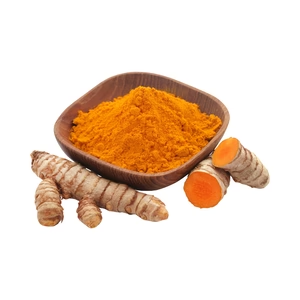
Curcumin

Curcumin, the active compound in turmeric, has been celebrated for centuries and is now one of the most researched plant antioxidants.

Curcumin
Curcumin

Vegansk Omega-3

Our omega‑3 is sourced from sustainable microalgae and provides EPA and DHA to support brain and heart - no fish oil needed.

Vegansk Omega-3
Vegan Omega‑3

B‑vitamin complex

Our B‑vitamin blend with B1, B5, B6 and B12 supports energy metabolism, reduces fatigue and helps your nervous and psychological functions.

B-vitaminer
b-vitamins

Vitamin C

Vitamin C supports immunity, protects cells from oxidative stress, reduces fatigue and boosts iron absorption.

Vitamin C
Vitamin C

Vitamin D3

Vitamin D3 supports immunity and helps maintain normal bones and muscles - especially important during the dark months.

Vitamin D3
Vitamin D3

Iron

Iron helps reduce fatigue, supports cognitive function and aids in red blood cell formation and oxygen transport.

Jern
Iron

Selenium

Selenium supports immunity, protects cells from oxidative stress and helps maintain normal thyroid function, hair and nails.

Selen
Selenium

Magnesium glycinate

Magnesium helps reduce tiredness, supports muscles and promotes psychological balance.

Magnesium
Magnesium

Zinc glycinate

Zinc supports immunity, cognitive health and cell protection, and helps maintain healthy hair, skin and testosterone levels.

Zink
Zinc

Piperine

Piperine, the active compound in black pepper, enhances the absorption of nutrients - that’s why it’s paired with our other ingredients.

Piperin
Piperine

CBD (Water‑soluble)

Our micro‑emulsified CBD is designed for optimal absorption. Clinical studies show that water‑soluble CBD formulations can have up to 4 times higher bioavailability.

CBD
CBD

Win a month’s supply of Provitura

Subscribe to our newsletter for a chance each month to win a month’s supply of any Provitura product (value up to 499 kr).

We draw a winner on the first working day of each month.

Shopping Cart

Choose the right Provitura

To find the right variant of Provitura you can base it on your body weight and the recommended daily CBD amount. The table below provides a guideline overview of how much CBD typically suits different weight classes.

Weight
(kg)
Micro-emulsified CBD
(mg/day)
Provitura
Strength
45–55 10 mg Light
55–65 10–15 mg Light / Medium
65–75 15–20 mg Medium
75–90 20–25 mg Medium / Strong
90+ 25–30 mg Strong

Important information

Start low: We always recommend starting at the low end of the range and adjusting gradually.

Effect vs. mg: A higher dose does not necessarily provide a better effect; it depends on individual response.

Splitting: For better tolerability, the daily dose can be divided into two portions (e.g., morning and evening).

We always recommend: That you eat healthily and live a balanced lifestyle. If in doubt, we suggest that you consult your doctor before starting. Never use the product if you are pregnant or breastfeeding.

Benefits & Research

Everything you need to know about Provitura’s ingredients

OVER 70 EU‑APPROVED HEALTH CLAIMS

Provitura contains 11 ingredients with a total of 70+ EU‑approved health claims. These claims are scientifically documented and approved by the European Food Safety Authority (EFSA) under Regulation (EU) No. 432/2012.

Omega‑3 (DHA/EPA) from vegan algae

      • DHA contributes to the maintenance of normal brain function*
      • DHA contributes to the maintenance of normal vision*
      • EPA and DHA contribute to the normal function of the heart**

*The beneficial effect is obtained with a daily intake of 250 mg DHA 

**The beneficial effect is obtained with a daily intake of 250 mg EPA and DHA

Vitamin B1 (Thiamin)

      • Contributes to a normal energy metabolism
      • Contributes to the normal function of the nervous system
      • Contributes to normal psychological function
      • Contributes to the normal function of the heart

Vitamin B5 (Pantothenic acid)

      • Contributes to normal mental performance
      • Contributes to the reduction of tiredness and fatigue
      • Contributes to a normal energy metabolism
      • Contributes to normal synthesis of steroid hormones, vitamin D and certain neurotransmitters

Vitamin B6

      • Contributes to the normal function of the immune system
      • Contributes to the regulation of hormonal activity
      • Contributes to the reduction of tiredness and fatigue
      • Contributes to normal psychological function
      • Contributes to the normal formation of red blood cells
      • Contributes to the normal function of the nervous system
      • Contributes to normal protein and glycogen metabolism
      • Contributes to normal cysteine synthesis
      • Contributes to normal homocysteine metabolism

Vitamin B12

      • Contributes to the reduction of tiredness and fatigue
      • Contributes to the normal function of the nervous system
      • Contributes to normal formation of red blood cells
      • Contributes to normal psychological function
      • Contributes to the normal function of the immune system
      • Contributes to a normal energy metabolism
      • Contributes to normal homocysteine metabolism
      • Has a role in the cell division process

Vitamin C

      • Contributes to the normal function of the immune system
      • Contributes to the protection of cells against oxidative stress
      • Contributes to the reduction of tiredness and fatigue
      • Increases the absorption of iron
      • Contributes to normal collagen formation for normal functions of blood vessels, bones, cartilage, gums, skin and teeth
      • Contributes to a normal energy metabolism
      • Contributes to the normal function of the nervous system
      • Contributes to normal psychological function

Vitamin D (D3)

      • Contributes to the maintenance of normal bones
      • Contributes to the normal function of the immune system
      • Contributes to the maintenance of normal muscle function
      • Contributes to normal absorption/utilisation of calcium and phosphorus
      • Contributes to normal calcium levels in the blood
      • Contributes to the maintenance of normal teeth
      • Has a role in the cell division process

Iron

      • Contributes to the reduction of tiredness and fatigue
      • Contributes to normal cognitive function
      • Contributes to normal oxygen transport in the body
      • Contributes to the normal function of the immune system
      • Contributes to normal formation of red blood cells and haemoglobin
      • Contributes to normal energy metabolism
      • Has a role in the cell division process

Selenium

      • Contributes to the protection of cells from oxidative stress
      • Contributes to the normal function of the thyroid gland
      • Contributes to the normal function of the immune system
      • Contributes to the maintenance of normal hair and nails
      • Contributes to normal spermatogenesis

Magnesium

      • Contributes to normal muscle function
      • Contributes to normal psychological function
      • Contributes to the reduction of tiredness and fatigue
      • Contributes to the normal function of the nervous system
      • Contributes to electrolyte balance
      • Contributes to a normal energy metabolism
      • Contributes to normal protein synthesis
      • Contributes to the maintenance of normal bones and teeth
      • Has a role in the cell division process

Zinc

      • Contributes to the normal function of the immune system
      • Contributes to the maintenance of normal skin, hair and nails
      • Contributes to the protection of cells from oxidative stress
      • Contributes to normal fertility and reproduction
      • Contributes to the maintenance of normal testosterone levels in the blood
      • Contributes to normal cognitive function
      • Contributes to normal vision
      • Contributes to normal DNA synthesis
      • Contributes to normal protein synthesis
      • Contributes to normal acid‑base metabolism
      • Has a role in the cell division process

Source: Commission Regulation (EU) No. 432/2012

CBD & NATURAL INGREDIENTS – RESEARCH

CBD, curcumin and piperine do not have EU‑approved health claims. The information below is based on published, peer‑reviewed studies and does not constitute medical claims. Results may vary from person to person.

CBD (cannabidiol)

Provitura uses a micro‑emulsified, water‑soluble CBD formulation. Clinical studies have shown that this type of formulation can increase absorption up to four times compared to traditional CBD oil [1,2].

Research investigates CBD’s potential role within:

Stress & Anxiety A randomised clinical trial (2024) with 300 participants showed that the CBD group experienced the greatest improvement in anxiety symptoms. A large case series (2019) with 72 adults found that 79.2% experienced improved anxiety within the first month [3,4,5].

Sleep quality In the same case series 66.7% reported improved sleep within the first month. Research suggests that CBD’s sleep effect may partly be due to reduction of anxiety and racing thoughts [4,6].

Pain & Inflammation A cross‑sectional study (2022) with 428 participants with arthritis showed that 83% reported pain relief when using CBD. A review from 2020 documents CBD’s anti‑inflammatory mechanisms and finds antioxidant activity higher than vitamin E or C in laboratory studies [7,8].

Mood & Mental Balance Animal studies have shown rapid antidepressant‑like effects, and human research indicates that CBD may support emotional regulation via the serotonin system. However, larger human studies are still lacking [9,10].


Curcumin

Curcumin is the active substance in turmeric. A meta‑analysis of 32 clinical studies with over 2,000 participants found that curcumin supplements reduced several markers of inflammation [11]. Research on people with osteoarthritis has shown improved pain and function compared to placebo [12].

Curcumin has naturally low bioavailability, which is why Provitura combines it with piperine [13].


Piperine

Piperine is the active substance in black pepper and acts as a “bioenhancer.” A clinical study showed that 20 mg piperine increased blood levels of curcumin by about 2000% compared to curcumin alone [13].


Sources:

[1] Hobbs JM, et al. “Evaluation of pharmacokinetics and acute anti-inflammatory potential of two oral cannabidiol preparations in healthy adults.” Phytotherapy Research. 2020. https://pubmed.ncbi.nlm.nih.gov/32147925 [25. November 2025]

[2] Izgelov D, et al. “A Novel Self-Emulsifying Drug Delivery System (SEDDS) Based on VESIsorb® Formulation Technology Improving the Oral Bioavailability of Cannabidiol in Healthy Subjects.” 2019. https://www.researchgate.net/publication/335236498 [25. November 2025]

[3] Bidwell LC, et al. “CBD shown to ease anxiety without the risks that can come with THC.” University of Colorado Boulder. 2024. https://www.colorado.edu/today/2024/02/27/cbd-shown-ease-anxiety-without-risks-can-come-thc [25. November 2025]

[4] Shannon S, et al. “Cannabidiol in Anxiety and Sleep: A Large Case Series.” The Permanente Journal. 2019. https://pubmed.ncbi.nlm.nih.gov/30624194/ [25. November 2025]

[5] Blessing EM, et al. “Cannabidiol as a Potential Treatment for Anxiety Disorders.” Neurotherapeutics. 2015. https://pubmed.ncbi.nlm.nih.gov/26341731/ [25. November 2025]

[6] Suraev AS, et al. “Cannabidiol for moderate–severe insomnia: a randomized controlled pilot trial.” Journal of Clinical Sleep Medicine. 2024. https://jcsm.aasm.org/doi/10.5664/jcsm.10998 [25. November 2025]

[7] Frane N, et al. “Cannabidiol as a treatment for arthritis and joint pain: an exploratory cross-sectional study.” Journal of Cannabis Research. 2022. https://link.springer.com/article/10.1186/s42238-022-00154-9 [25. November 2025]

[8] Atalay S, et al. “Antioxidative and Anti-Inflammatory Properties of Cannabidiol.” Antioxidants. 2020. https://pmc.ncbi.nlm.nih.gov/articles/PMC7023045/ [25. November 2025]

[9] Linge R, et al. “Cannabidiol induces rapid-acting antidepressant-like effects and enhances cortical 5-HT/glutamate neurotransmission: role of 5-HT1A receptors.” Neuropharmacology. 2016. https://pubmed.ncbi.nlm.nih.gov/26711860/ [25. November 2025]

[10] Bitencourt RM, Takahashi RN. “Cannabidiol regulation of emotion and emotional memory processing: relevance for treating anxiety-related and substance abuse disorders.” British Journal of Pharmacology. 2017. https://pmc.ncbi.nlm.nih.gov/articles/PMC5595771/ [25. November 2025]

[11] Ferguson JJA, et al. “Anti-inflammatory effects of oral supplementation with curcumin: a systematic review and meta-analysis of randomized controlled trials.” Nutrition Reviews. 2021. https://pubmed.ncbi.nlm.nih.gov/34378053/ [25. November 2025]

[12] Daily JW, et al. “Efficacy of Turmeric Extracts and Curcumin for Alleviating the Symptoms of Joint Arthritis: A Systematic Review and Meta-Analysis of Randomized Clinical Trials.” 2016. https://pubmed.ncbi.nlm.nih.gov/27533649/ [25. November 2025]

[13] Shoba G, et al. “Influence of piperine on the pharmacokinetics of curcumin in animals and human volunteers.” Planta Medica. 1998. https://pubmed.ncbi.nlm.nih.gov/9619120/ [25. November 2025]

*The information on this page is provided for general informational purposes only and does not replace medical advice. Provitura is not a medicine. Always consult your doctor before using new products, especially if you have a medical condition or are taking medication. Provitura should not be used by pregnant or breastfeeding women.

The site is ready soon!

👋We are still working on completing this page – purchases are not yet possible.

The page should be ready within a few weeks…

This site is registered on wpml.org as a development site. Switch to a production site key to remove this banner.